Divine Soul Indian Saga: The Epic Desi RPG
Welcome, folks, to the ultimate wiki guide for Divine Soul Indian Saga—a game that’s not just another title in the app store, but a love letter to Indian mythology, culture, and gaming passion! Developed with the desi gamer at heart, this action RPG takes you on a journey through reimagined realms of ancient India, where gods walk alongside mortals, demons plot chaos, and your choices shape the fate of the universe.
For the uninitiated, Divine Soul Indian Saga isn’t just about mindless button-mashing or grinding for loot (though there’s plenty of that too!). It’s a game that weaves stories from the Ramayana, Mahabharata, and regional folklore into a fresh narrative, blending traditional sanskaar with cutting-edge gaming mechanics. Whether you’re a casual player looking for a quick quest or a hardcore gamer chasing leaderboard glory, this title has something for every bhai and behen out there.
Published by Daman Games, a name that’s fast becoming synonymous with quality desi gaming, Divine Soul Indian Saga launched in August 2023 and quickly became a sensation—crossing 10 million downloads within its first month! What makes it stand out? Well, it’s not just the stunning 3D graphics inspired by Indian art forms, or the voice acting in 8 regional languages (from Hindi to Tamil, Telugu to Bengali). It’s the attention to detail—from the way a character’s dhoti flows in the wind to the background score that blends classical ragas with modern EDM—that truly makes this game a ‘desi pride’ moment.
In this wiki, we’ll dive deep into every aspect of the game: from the basics of gameplay and character builds to the intricate lore that ties everything together. We’ll share tips for beginners, advanced strategies for veterans, and even explore the game’s cultural impact on the Indian gaming industry. So grab your phone, charge your batteries, and let’s embark on this divine journey—because in Divine Soul Indian Saga, you’re not just a player; you’re a legend in the making!
🎮 Game Overview
Divine Soul Indian Saga is an action-packed role-playing game (RPG) designed exclusively for Indian gamers, blending mythological storytelling with fast-paced combat and social multiplayer features. Developed by a team of passionate desi developers at Daman Games, the game aims to celebrate Indian culture while delivering a world-class gaming experience that can compete with global titles.
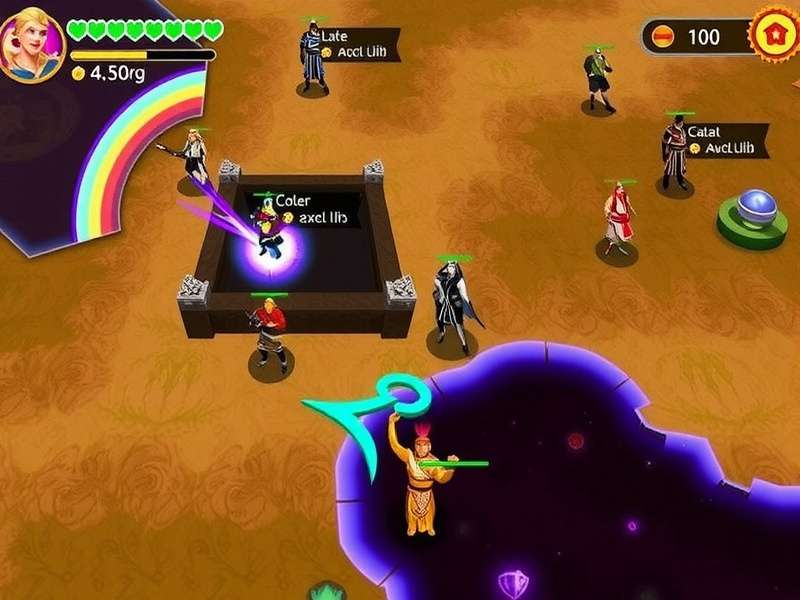
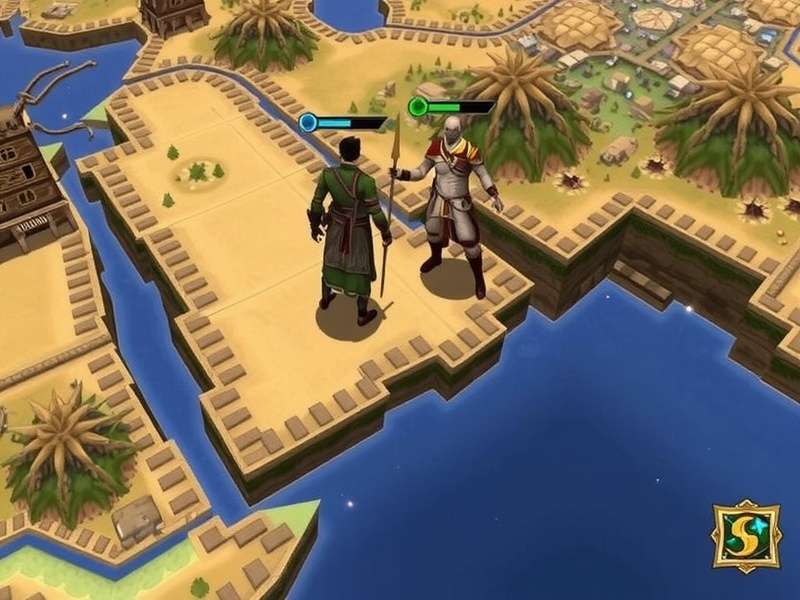
Key Game Details
| Feature | Details |
|---|---|
| Genre | Action RPG, Fantasy, Multiplayer |
| Publisher | Daman Games |
| Release Date | 15 August 2023 (India Independence Day) |
| Platforms | Android (5.0+), iOS (12.0+), PC (via Emulator) |
| Languages Supported | Hindi, Tamil, Telugu, Bengali, Kannada, Malayalam, Marathi, Gujarati, English |
| Download Size | Android: 1.2 GB | iOS: 1.5 GB (with additional content packs) |
| Age Rating | 12+ (Mild Fantasy Violence, Mild Language) |
| Monetization Model | Free-to-Play (F2P) with Optional In-App Purchases |
What Makes It Unique?
Mythological Authenticity
Unlike other fantasy games that borrow from Western lore, this title draws directly from Indian epics and folklore. Characters, regions, and quests are rooted in stories that every desi grew up hearing—with a modern twist!
Regional Language Support
With 9 languages supported, the game ensures that no gamer is left out. Voice acting, text, and UI elements are localized to feel familiar, making the experience more immersive for players across India.
Desi-Themed Events
Regular events tied to Indian festivals (Diwali, Holi, Navratri) offer exclusive rewards, costumes, and gameplay modes. For example, the Diwali “Lakshmi’s Blessing” event lets players earn rare artifacts by lighting diyas in-game!
Optimized for Indian Devices
The game runs smoothly on low-to-mid-range smartphones—no need for a flagship device to enjoy high-quality graphics and gameplay. This accessibility has been a key factor in its widespread popularity.
At its core, Divine Soul Indian Saga is more than a game—it’s a community. With millions of active players across India, the game fosters social connections through guilds, co-op raids, and regional tournaments. Whether you’re teaming up with friends from Delhi to defeat a Rakshasa or competing against players from Chennai in the PvP arena, the game brings desis together through their love for gaming and culture.
⚔️ Gameplay Mechanics
The gameplay of Divine Soul Indian Saga is designed to be easy to learn but hard to master—perfect for both casual and hardcore gamers. It combines real-time combat, character progression, and exploration with elements unique to Indian mythology, creating a experience that feels fresh yet familiar.
Combat System
The combat in Divine Soul Indian Saga is fast-paced and skill-based, with a focus on combos, dodges, and divine abilities. Unlike turn-based RPGs, battles happen in real time, requiring quick reflexes and strategic thinking.
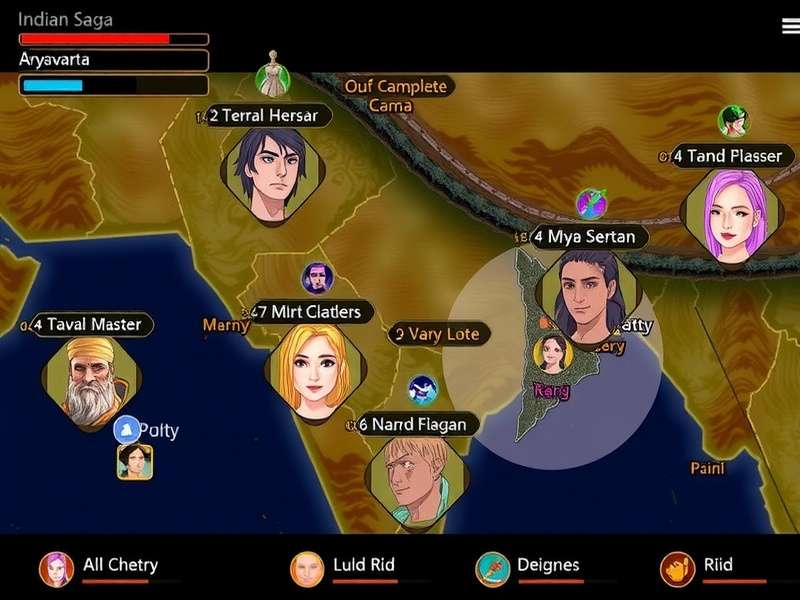
Each character has three types of attacks: light, heavy, and special. Light attacks are quick and low-damage, ideal for chaining combos. Heavy attacks are slower but deal massive damage, capable of breaking enemy defenses. Special attacks (known as “Divine Abilities”) are unique to each character and draw power from their mythological roots—for example, the Kshatriya Warrior can unleash “Arjuna’s Arrow” to strike multiple enemies at once, while the Rishi Mage can cast “Vishnu’s Shield” to protect allies.
Dodging and blocking are crucial for survival. Timing a dodge just before an enemy attack lands triggers a “Perfect Evade,” slowing down time for a few seconds and allowing you to counterattack. Blocking reduces damage but drains your stamina, so you can’t rely on it indefinitely. The key is to balance offense and defense, reading enemy patterns and striking when the moment is right.
Character Progression
Progression in Divine Soul Indian Saga is deep and rewarding, with multiple paths to power. When you start the game, you’ll choose one of four base classes—each inspired by a traditional Indian warrior or sage:
Kshatriya Warrior
The tank class, specializing in melee combat and defense. Ideal for players who like to lead the charge and absorb damage. Weapons include swords, axes, and shields. Divine abilities focus on strength and protection.
Rishi Mage
The mage class, wielding elemental magic and divine energy. Deals high damage from a distance but has low health. Weapons include staffs and spellbooks. Divine abilities draw from fire, water, air, and earth elements.
Vaishya Rogue
The assassin class, specializing in speed, stealth, and critical strikes. Perfect for players who prefer hit-and-run tactics. Weapons include daggers, bows, and throwing stars. Divine abilities focus on agility and deception.
Brahmin Priest
The healer/support class, capable of healing allies and buffing their stats. Essential for co-op raids and team battles. Weapons include sacred staffs and prayer beads. Divine abilities focus on restoration and blessing.
As you complete quests and defeat enemies, you’ll earn Experience Points (XP) and level up your character. Each level grants you Skill Points, which you can spend on three different skill trees: Offense, Defense, and Utility. For example, a Kshatriya can invest in Offense to increase their heavy attack damage, or in Defense to boost their health and stamina. The Skill Trees are flexible, allowing you to customize your character to fit your playstyle—whether you want to be a pure damage dealer, a supportive tank, or something in between.
Quests & Missions
The game offers a variety of quests to keep you engaged, from the main story campaign to side missions, daily challenges, and event quests.
Main Story Quests: These drive the game’s lore, taking you through different regions of the game world and introducing you to key characters and bosses. The main campaign is divided into 5 Acts, each with 15-20 missions. Completing main quests unlocks new areas, characters, and game modes.
Side Quests: These are optional missions that offer additional XP, currency, and loot. Side quests often explore the backstories of NPCs or delve into smaller mythological tales. For example, a side quest might task you with retrieving a stolen artifact from a band of dacoits, or helping a village prepare for a festival by collecting materials.
Daily/Weekly Challenges: These are repeatable quests that reset every 24 hours (daily) or 7 days (weekly). They offer rewards like “Punya Coins” (the game’s main currency), “Lakshmi Shards” (used for upgrading equipment), and rare materials. Daily challenges are quick (10-15 minutes) and perfect for players with limited time, while weekly challenges are more difficult and offer better rewards.
Event Quests: Tied to Indian festivals or game updates, these limited-time quests offer exclusive rewards like legendary costumes, unique weapons, and event-only currency. For example, the Holi event quest might have you throwing colored powder at enemies to deal damage, while the Navratri event could task you with defeating 9 different bosses (one for each night of Navratri) to earn a powerful artifact.
In-Game Economy
Divine Soul Indian Saga features a balanced economy with two main currencies: Punya Coins (free) and Amrit Shards (premium).
Punya Coins: Earned through quests, combat, and daily challenges. Used to purchase basic items, upgrade common equipment, and repair weapons. You can also earn Punya Coins by selling unwanted loot to merchants in-game.
Amrit Shards: The premium currency, available through in-app purchases or as rare rewards from event quests and leaderboards. Used to buy legendary equipment, character skins, and energy refills (energy is required to complete quests). The game is designed so that F2P players can still progress without spending money—Amrit Shards are optional and don’t give pay-to-win advantages.
Additionally, the game has a crafting system that allows you to create equipment and consumables using materials collected from enemies and the environment. Materials are categorized by rarity (Common, Uncommon, Rare, Epic, Legendary) and can be combined to make powerful items. For example, combining “Iron Ore” (common) and “Divine Dust” (rare) can create a “Mythic Sword” with high damage and a unique ability.
🌟 Pro Tip for Beginners
Save your Punya Coins for upgrading your main weapon and armor—don’t waste them on unnecessary items early in the game! Focus on completing daily challenges to build up your currency, and participate in event quests to earn rare materials that can’t be found elsewhere. Also, join a guild as soon as possible—guild members can share materials and help you with difficult quests!
👥 Character Roster
The characters of Divine Soul Indian Saga are the heart and soul of the game—each with a unique backstory, personality, and set of abilities inspired by Indian mythology and folklore. From descendants of gods to mortal heroes fighting for justice, the roster is diverse and rich in cultural depth.
At launch, the game featured 12 playable characters, with new additions added through updates. Each character belongs to one of the four base classes (Kshatriya, Rishi, Vaishya, Brahmin) but has unique twists that set them apart. Below, we’ll explore some of the most popular characters in the game:
Playable Characters
Arjun Varma (Kshatriya Warrior)
Backstory: A descendant of Arjuna (one of the Pandavas from the Mahabharata), Arjun Varma is a young prince from the kingdom of Hastinapur. Trained in archery and swordsmanship from a young age, he sets out on a quest to recover the stolen “Divine Bow of Gandiva” and restore peace to his kingdom.
Divine Abilities: Gandiva’s Barrage (unleashes a flurry of arrows), Pandava’s Rage (boosts attack damage for 10 seconds), and Krishna’s Blessing (temporarily invulnerable to damage).
Playstyle: Balanced warrior—excels in both melee and ranged combat. Perfect for new players.
Meera Devi (Brahmin Priest)
Backstory: A devout priestess from Varanasi, Meera Devi has the ability to communicate with the gods. When her village is attacked by a Rakshasa army, she discovers her divine powers and joins the fight to protect innocent lives.
Divine Abilities: Lakshmi’s Healing (restores health to allies), Saraswati’s Wisdom (boosts ally skill damage), and Shiva’s Purification (removes debuffs from allies and damages enemies).
Playstyle: Support healer—essential for co-op raids. Focus on keeping allies alive and buffed.
Ravi Chandra (Rishi Mage)
Backstory: A young sage from the Himalayan peaks, Ravi Chandra is a disciple of Sage Vishwamitra. He possesses the power to control the sun’s energy, using it to heal and destroy. He joins the quest to stop the evil Rakshasa King Viraj from plunging the world into darkness.
Divine Abilities: Solar Flare (unleashes a wave of fire damage), Surya’s Blessing (heals allies over time), and Agni’s Wrath (creates a ring of fire that damages enemies).
Playstyle: Ranged mage—high damage but low health. Best for players who prefer strategic combat.
Zara Khan (Vaishya Rogue)
Backstory: A skilled thief from the streets of Delhi, Zara Khan is known as the “Shadow of the Gully.” She steals from the rich to feed the poor, but when she discovers a plot to destroy the city, she teams up with the game’s heroes to save her home.
Divine Abilities: Shadow Step (teleports behind enemies), Poison Daggers (inflicts damage over time), and Gully Raid (summons allies to attack enemies).
Playstyle: Stealth assassin—deals high critical damage. Perfect for players who like to sneak and ambush.
Durga Patel (Kshatriya Warrior)
Backstory: A fierce warrior from Gujarat, Durga Patel is inspired by the goddess Durga. She leads a group of female warriors known as the “Shakti Sena,” dedicated to protecting women and children from oppression. She joins the quest to defeat the Rakshasa King Viraj, who has been kidnapping young girls to sacrifice to his dark gods.
Divine Abilities: Durga’s Spear (pierces multiple enemies), Shakti’s Fury (boosts attack speed), and Kali’s Wrath (deals massive damage to a single target).
Playstyle: Aggressive warrior—focuses on dealing damage and crowd control. Ideal for players who like to charge into battle.
Shiva Prasad (Rishi Mage)
Backstory: An elderly sage from Ujjain, Shiva Prasad is a devotee of Lord Shiva. He has spent decades meditating and mastering the power of destruction and rebirth. When the world is threatened by darkness, he emerges from his cave to use his powers for good.
Divine Abilities: Shiva’s Trident (summons a trident that strikes enemies), Nandi’s Charge (summons Lord Shiva’s bull to attack), and Mahakal’s Curse (reduces enemy defense for 15 seconds).
Playstyle: Heavy mage—deals area-of-effect damage. Best for controlling large groups of enemies.
Antagonists & NPCs
No epic game is complete without memorable villains and supporting characters. Divine Soul Indian Saga features a cast of antagonists inspired by Indian mythology’s most fearsome demons, as well as NPCs that help guide your journey.
Rakshasa King Viraj (Main Antagonist): A powerful Rakshasa (demon) who was sealed away by the gods centuries ago. He breaks free from his prison and seeks to collect the “Divine Souls” (fragments of the Trimurti’s power) to become invincible. Viraj is ruthless and cunning, commanding an army of Rakshasas, Asuras, and corrupted humans. His design is inspired by Ravana (from the Ramayana) but with a modern, menacing twist—he has 10 arms, each wielding a different weapon, and eyes that glow with dark energy.
Sage Vishal (Mentor NPC): A wise old sage who serves as your guide throughout the game. He is a descendant of Sage Vyasa (the author of the Mahabharata) and possesses vast knowledge of Indian mythology and the Divine Souls. Sage Vishal provides quests, explains game mechanics, and shares lore about the game world. He’s known for his witty one-liners and fatherly advice—players often refer to him as “Guruji” in the community.
Princess Priya (Support NPC): The daughter of King Dasharatha (from the Ramayana), Princess Priya is a skilled archer and diplomat. She joins your party early in the game and helps you navigate political conflicts between kingdoms. She also has a romantic subplot with Arjun Varma, adding emotional depth to the story.
Kaal (Secondary Antagonist): The god of time, corrupted by Viraj’s dark magic. Kaal seeks to rewrite history and erase the gods from existence. He serves as the boss of Act 3, using time-based abilities to teleport, slow down players, and summon past versions of enemies.
Character Customization
While each character has a unique base design, Divine Soul Indian Saga offers extensive customization options to make your character feel personal. You can unlock and equip different costumes, weapons, and accessories—many of which are inspired by Indian culture and festivals.
Costumes range from traditional attire (like a Kurta-Pajama for Arjun Varma or a Saree for Meera Devi) to festival-themed outfits (like a Diwali-themed costume with lights and rangoli patterns) and legendary skins (like the “Shiva Avatar” skin for Shiva Prasad, which transforms him into a god-like figure with blue skin and a third eye).
Weapons can also be customized with skins and enchantments. For example, you can turn Arjun Varma’s bow into a golden “Lakshmi Bow” that grants bonus loot, or Meera Devi’s staff into a “Ganesha Staff” that increases healing power. Enchantments are crafted using rare materials and can be upgraded to make your weapons even more powerful.
🌟 Pro Tip for Character Builds
Experiment with different character combinations in co-op mode! For example, pairing Arjun Varma (warrior) with Meera Devi (priest) creates a balanced team that can handle both damage and healing. If you’re playing PvP, Zara Khan (rogue) is great for taking down enemy healers, while Shiva Prasad (mage) can control the battlefield with area-of-effect damage. Don’t be afraid to try new characters—each has unique strengths that can turn the tide of battle!
📜 Storyline & Lore
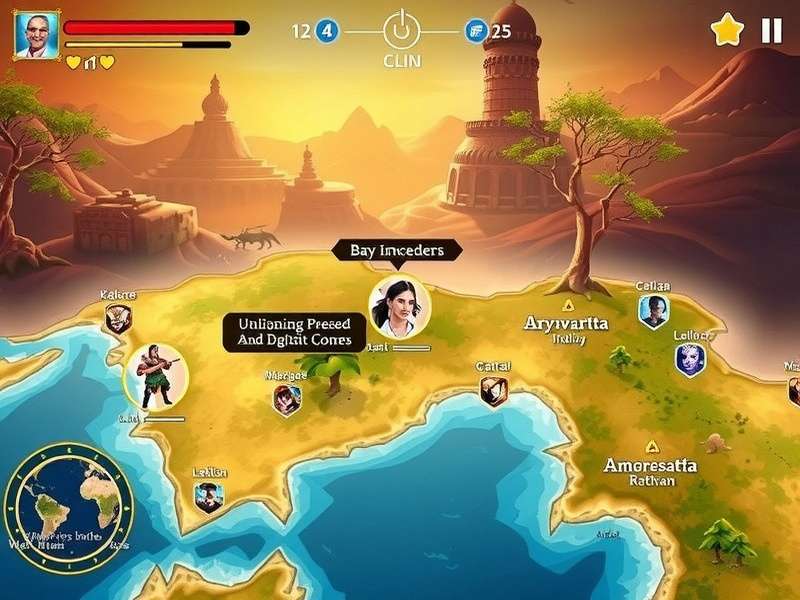
The lore of Divine Soul Indian Saga is a rich tapestry of Indian mythology, original storytelling, and cultural references. It weaves together elements from the Ramayana, Mahabharata, Puranas, and regional folklore to create a world that feels both familiar and new. The story is divided into 5 Acts, each with its own set of challenges, plot twists, and character development.
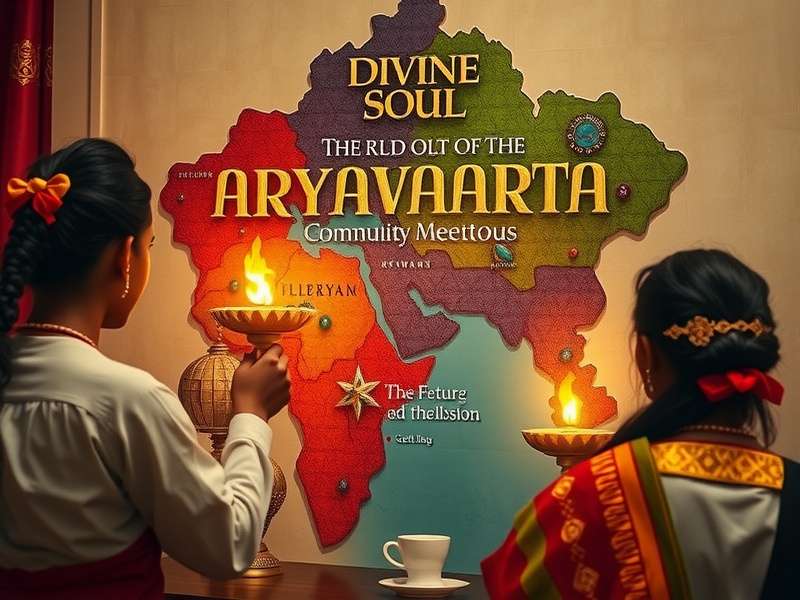
The World of Aryavarta
The game is set in Aryavarta—a reimagined version of ancient India, where gods, demons, and mortals coexist. Aryavarta is divided into five main regions, each inspired by a different part of India:
Ganga Valley (Northern Region)
A lush, green region dominated by the Ganges River. Home to the kingdom of Hastinapur (from the Mahabharata) and the holy city of Varanasi. The landscape features forests, rivers, and ancient temples. This is where the game begins, as Arjun Varma sets out on his quest.
Himalayan Peaks (Northern Region)
Snowy mountains and sacred caves, home to sages and celestial beings. This region is inspired by the Himalayas and features locations like the “Temple of Shiva” and the “Cave of Meditation.” It’s where Ravi Chandra and Shiva Prasad originate.
Desert of Kutch (Western Region)
An arid desert with sand dunes, ancient ruins, and nomadic tribes. Inspired by the Rann of Kutch, this region is home to Durga Patel and the Shakti Sena. It features challenging desert-themed quests and boss battles against sand monsters.
Coastal Kingdoms (Southern Region)
A tropical region with beaches, ports, and coastal cities. Inspired by South India, this region is home to Princess Priya and features temples dedicated to Lord Murugan and Goddess Meenakshi. It’s a key location for naval battles and quests involving sea monsters.
Patala Underworld (Eastern Region)
The dark, mystical underworld ruled by the Rakshasas. Inspired by the Patala Loka from Indian mythology, this region is filled with lava, dark caves, and demonic fortresses. It’s where the final battle against Rakshasa King Viraj takes place.
The Divine Souls
At the heart of the game’s lore are the “Divine Souls”—fragments of the Trimurti’s power (Brahma the Creator, Vishnu the Preserver, Shiva the Destroyer). According to legend, the Trimurti scattered their souls across Aryavarta to protect them from the forces of evil. The Divine Souls grant immense power to whoever wields them, but they also corrupt those with impure intentions.
Rakshasa King Viraj seeks to collect all the Divine Souls to become invincible and rule Aryavarta. His goal is to use the souls’ power to open a portal to the underworld and unleash an army of Asuras (demons) to destroy the gods and mortals alike.
Your character’s quest is to collect the Divine Souls before Viraj does, using their power to stop him and restore peace to Aryavarta. Along the way, you’ll learn that the Divine Souls are not just sources of power—they’re also sentient beings with their own personalities and desires. Some souls will help you willingly, while others will test your worth before granting you their power.
Story Act Breakdown
Act 1: The Stolen Bow – The game begins in Hastinapur, where Arjun Varma’s father, King Yudhisthira Varma, is killed by Rakshasa warriors. The Divine Bow of Gandiva is stolen, and Arjun sets out to retrieve it. Along the way, he meets Meera Devi, who joins his quest after her village is attacked. Together, they travel through the Ganga Valley, battling Rakshasas and learning about Viraj’s plan to collect the Divine Souls.
Act 2: The Himalayan Sage – Arjun and Meera journey to the Himalayan Peaks to seek the help of Sage Vishal. They meet Ravi Chandra, who joins their party after Viraj’s forces attack his ashram. The group learns that Viraj has already collected one Divine Soul (Shiva’s Soul) and is on his way to the Desert of Kutch to find another. They also discover that Princess Priya has been kidnapped by Viraj’s men, and they set out to rescue her.
Act 3: The Desert Warrior – The party travels to the Desert of Kutch, where they meet Durga Patel and the Shakti Sena. Together, they rescue Princess Priya and retrieve the second Divine Soul (Vishnu’s Soul). However, they are ambushed by Kaal, the corrupted god of time, who steals the soul and escapes. The party chases Kaal to the Coastal Kingdoms, where they battle him and retrieve the soul.
Act 4: The Coastal Siege – Viraj’s army attacks the Coastal Kingdoms, seeking to collect the third Divine Soul (Brahma’s Soul). The party teams up with the coastal kingdoms’ armies to defend the region. They battle Viraj’s right-hand man, a powerful Asura named Bhairava, and retrieve Brahma’s Soul. However, Viraj manages to escape with a fragment of the soul, using it to open a portal to the Patala Underworld.
Act 5: The Final Battle – The party travels to the Patala Underworld to stop Viraj. They battle through hordes of Asuras and Rakshasas, eventually facing Viraj in a final showdown. Viraj has collected all three Divine Souls and transformed into a god-like monster. After a grueling battle, the party defeats Viraj, seals the portal to the underworld, and restores the Divine Souls to their rightful places. The game ends with Aryavarta at peace, but hints at a new threat looming on the horizon (setting up future expansions).
Mythological References & Easter Eggs
One of the most enjoyable aspects of Divine Soul Indian Saga is its numerous mythological references and easter eggs. The game is filled with nods to Indian epics, folklore, and even modern desi culture—rewarding players who are familiar with these stories.
For example, in the Ganga Valley, you’ll encounter a NPC named “Hanuman’s Disciple” who gives you a quest to retrieve a magical mace (inspired by Hanuman’s Gada). In the Coastal Kingdoms, there’s a temple dedicated to Lord Murugan, where you can pray to receive a buff (inspired by Murugan’s role as the god of war). There’s even a side quest where you help a farmer find his lost cow—an homage to the many cow-related stories in Indian folklore.
Modern easter eggs include references to desi movies and music. For example, one NPC quotes a famous line from the movie “3 Idiots,” while another hums a tune from a popular Bollywood song. These easter eggs add a lighthearted touch to the game and make it feel more relatable to Indian players.
🌟 Lore Tip
Take the time to talk to every NPC! Many of them share interesting stories and lore about the game world that you won’t find in the main quest. Some NPCs even give you side quests that reveal hidden aspects of the Divine Souls and Viraj’s backstory. You’ll also unlock achievements for collecting all lore entries, so it’s worth exploring every nook and cranny of Aryavarta!
🤝 Multiplayer Features
While Divine Soul Indian Saga can be enjoyed solo, its multiplayer features are where the game truly shines. Designed to foster social connections between desi gamers, the multiplayer mode allows you to team up with friends, join guilds, and compete against players from across India. Whether you prefer cooperative gameplay or competitive PvP, there’s something for everyone in the game’s multiplayer suite.
Co-op Mode
Co-op mode allows you to team up with 1-3 other players to complete challenging quests and raids. The mode features three types of content: Co-op Quests, Raids, and Event Co-op.
Co-op Quests: These are repeatable quests that require teamwork to complete. They’re more difficult than solo quests, with stronger enemies and complex mechanics. For example, a co-op quest might task you and your team with defending a temple from waves of Rakshasas, or escorting a VIP NPC through a dangerous forest. Co-op quests reward you with rare materials, Punya Coins, and guild points (used to level up your guild).
Raids: The most challenging co-op content, raids are designed for 4-player teams and feature powerful boss battles. Each raid has a unique boss with complex attack patterns and mechanics that require coordination and strategy. For example, the “Ravana’s Fortress” raid features a boss inspired by Ravana, who uses fire attacks, summon abilities, and a one-hit-kill move that requires players to dodge at the right time. Raids reward you with legendary equipment, Amrit Shards, and exclusive costumes.
Event Co-op: Limited-time co-op events tied to Indian festivals or game updates. These events feature unique gameplay modes and rewards. For example, the Holi Co-op Event tasks players with throwing colored powder at a giant Rakshasa to weaken him, while the Diwali Co-op Event has players lighting diyas to power up their attacks. Event co-op rewards are often exclusive and can’t be obtained elsewhere.
PvP Arena
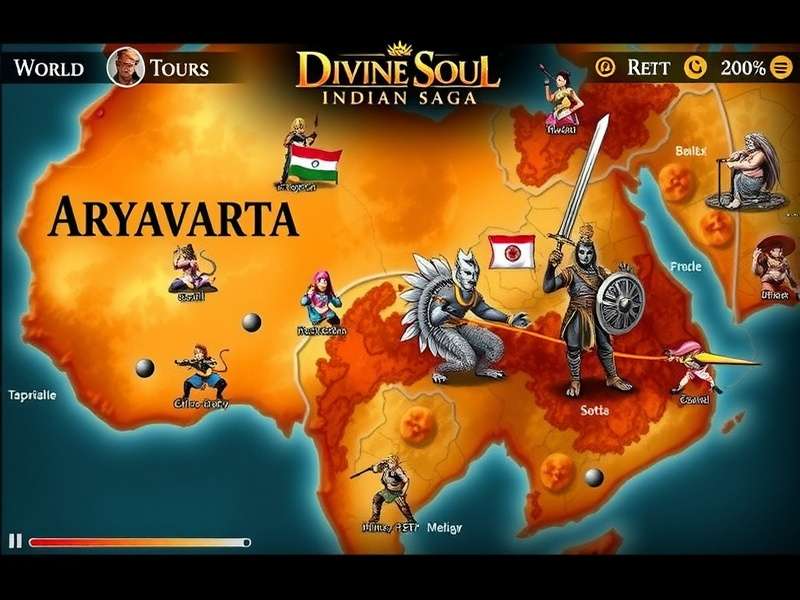
For players who prefer competitive gameplay, the PvP Arena offers a variety of modes to test your skills against other players. The arena features three main modes: 1v1 Duel, 3v3 Team Battle, and 5v5 Guild War.
1v1 Duel: A one-on-one battle between two players. The goal is to defeat your opponent in a best-of-three match. 1v1 Duel is a great way to practice your combat skills and climb the rankings. Players are matched based on their skill level, ensuring fair fights. Rewards include PvP Points (used to purchase PvP-exclusive equipment) and leaderboard rankings.
3v3 Team Battle: A team-based mode where two teams of three players battle it out. The goal is to defeat the opposing team’s players or capture the objective (depending on the map). 3v3 Team Battle requires teamwork and strategy—players must coordinate their abilities to win. Rewards include PvP Points, guild points, and rare materials.
5v5 Guild War: A weekly event where guilds compete against each other in a large-scale battle. Guild Wars take place on a massive map with multiple objectives (like capturing flags or defending towers). The guild with the most points at the end of the war wins exclusive rewards, including guild coins (used to upgrade guild facilities) and legendary loot. Guild Wars are a great way to bond with your guild members and show off your guild’s strength.
Guild System
The guild system is a core part of the multiplayer experience, allowing players to form communities and work together to achieve common goals. To create a guild, you need to be level 20 and have 10,000 Punya Coins. Once you create a guild, you can invite other players to join (up to 50 members).
Guilds have their own leveling system—guilds gain experience points (XP) when members complete quests, participate in co-op raids, and win PvP battles. As the guild levels up, it unlocks new facilities and perks, such as:
- Guild Store: Allows members to purchase rare materials, equipment, and costumes using guild points.
- Guild Buffs: Provides permanent buffs to all members (like increased XP gain or attack damage).
- Guild Chat: A dedicated chat channel for guild members to communicate and coordinate.
- Guild Hall: A customizable space where members can gather, socialize, and participate in guild events.
Guilds also have a leadership structure, with a Guild Master, Vice Masters, and Officers. The Guild Master is responsible for managing the guild, setting rules, and organizing events. Vice Masters and Officers assist the Guild Master with day-to-day tasks, like approving new members and managing the guild store.
Leaderboards & Rankings
The game features multiple leaderboards to recognize top players and guilds. Leaderboards are updated weekly, and top players receive exclusive rewards like legendary equipment, Amrit Shards, and in-game titles.
Player Leaderboards: Rank players based on their PvP rating, level, and raid completion time. The top 100 players on each leaderboard receive rewards, with the number 1 player receiving a unique title (like “Aryavarta’s Strongest Warrior”) and a legendary weapon.
Guild Leaderboards: Rank guilds based on their level, guild XP, and Guild War wins. The top 10 guilds receive rewards, including a guild banner (displayed next to the guild name) and exclusive guild costumes.
🌟 Multiplayer Pro Tip
Communication is key in multiplayer! Use the in-game chat or voice chat (available in co-op raids and PvP battles) to coordinate with your team. For co-op raids, assign roles before the battle (e.g., one player heals, two players deal damage, one player tanks). In PvP battles, focus on taking down enemy healers first—they’re often the backbone of the enemy team. And don’t forget to join a guild—guild members can help you with difficult quests and raids, and you’ll have more fun playing with friends!
🌍 Community & Cultural Impact
Since its launch, Divine Soul Indian Saga has built a vibrant and passionate community of desi gamers. From social media groups to fan events, the community has played a key role in the game’s success, providing feedback to the developers and helping to promote the game to new players. Beyond the game itself, Divine Soul Indian Saga has had a significant cultural impact, celebrating Indian mythology and putting desi gaming on the global map.
The Game’s Community
The Divine Soul Indian Saga community is spread across multiple platforms, including Facebook, Instagram, Twitter, YouTube, and Discord. The official Discord server has over 500,000 members, making it one of the largest gaming Discord servers in India. The server features channels for gameplay tips, guild recruitment, fan art, and general discussion—allowing players to connect with each other from across the country.
Fan content is a big part of the community. Players create and share fan art, fan fiction, and cosplay of their favorite characters. The game’s developers often feature fan content on their official social media pages, rewarding creators with in-game rewards like Amrit Shards and exclusive costumes. For example, during the Diwali 2023 event, the developers held a fan art contest, with the winner receiving a custom character skin inspired by their artwork.
The community also plays an active role in providing feedback to the developers. The game’s team regularly hosts Q&A sessions on Discord and social media, asking players for their thoughts on new features, balance changes, and event ideas. Many of the game’s updates have been influenced by community feedback—for example, the addition of regional language support for Malayalam and Kannada was a direct response to player requests.
Community Events
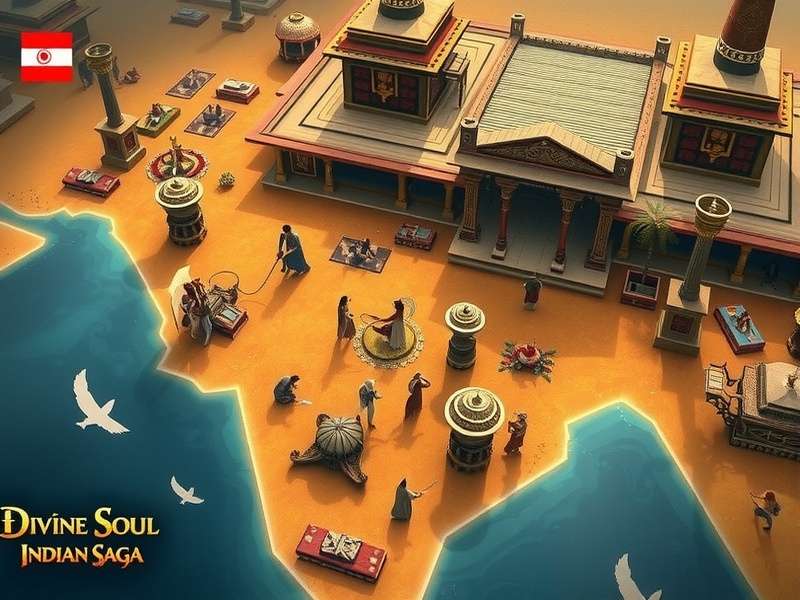
The developers and community organizers host a variety of events to bring players together, both online and offline.
Online Tournaments: Monthly PvP tournaments with cash prizes (sponsored by Daman Games). These tournaments attract top players from across India, with live streams on YouTube and Twitch. The 2023 National Tournament had a prize pool of ₹1 lakh, with the winning team taking home ₹50,000.
Offline Meetups: Quarterly meetups in major Indian cities (Delhi, Mumbai, Bangalore, Chennai, Kolkata). These meetups allow players to meet each other in person, play the game together, and interact with the developers. The 2023 Delhi meetup had over 1,000 attendees, with activities like cosplay contests, gaming competitions, and photo ops with the development team.
Festival Events: Special in-game and online events tied to Indian festivals. For example, during Holi 2024, the community organized an online “Holi Battle” event, where players competed in PvP battles using Holi-themed abilities. The event was a huge success, with over 100,000 participants.
Cultural Impact
Divine Soul Indian Saga has had a significant cultural impact, both within the gaming industry and beyond. Here are some of the key ways the game has made an impact:
Promoting Indian Mythology
The game introduces young Indian players to Indian mythology in a fun and engaging way. Many players have shared stories of how the game inspired them to read the Ramayana and Mahabharata, or visit historical sites like Hastinapur and Varanasi. The game’s developers have even partnered with educational institutions to create lesson plans